
Wisdom Tooth Extraction
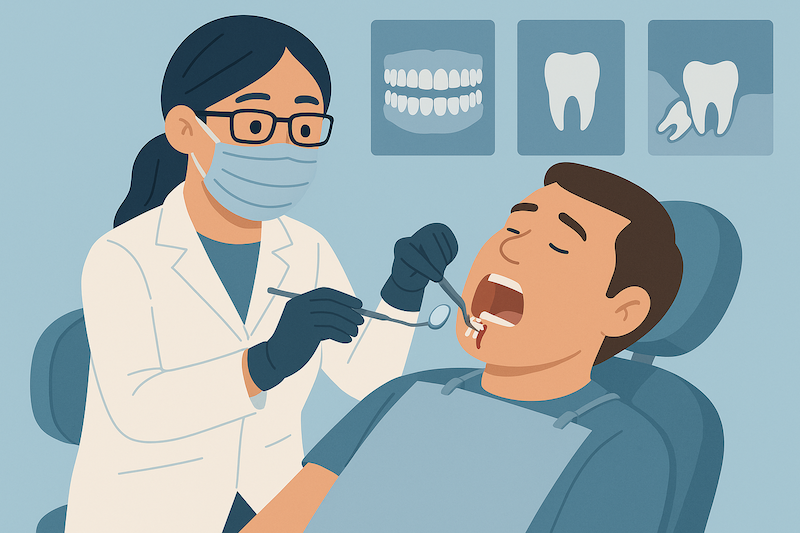
Why Wisdom Teeth Are Often Removed
“Wisdom Teeth” refer to the third molars—typically the last teeth in the back of the mouth on both the upper and lower jaws. Many people need their wisdom teeth removed because there simply isn’t enough space for them to erupt properly. Some wisdom teeth remain under the gums and bone without causing problems, but others can grow too close to the second molars. When this happens, they can cause issues such as cavities or gum disease in the neighboring teeth.
The Wisdom Tooth Extraction Process
To remove a wisdom tooth, your dentist first numbs the area with a local anesthetic. If the tooth is impacted—still under the gum and embedded in the jawbone—a small portion of bone may need to be removed. To limit how much bone is disturbed, the dentist often sections the tooth into smaller pieces, making it easier to extract through a smaller opening.
Healing time depends on how complex the extraction was, but your dentist will guide you through the recovery process and provide aftercare instructions to ensure a smooth, comfortable healing experience.